Since 2008
Based in Belgium and France
+ 60 000 clients
Our blog
A.S.S.
Shopping Cart
Découvrez comment installer, configurer et utiliser WatchPower pour surveiller votre onduleur solaire en temps réel....
Practical guide to reconnect your SMA Sunny Boy inverter to the WiFi network after a change of modem, router or...
Find out how Aiko is revolutionising photovoltaics with its silver-free ABC cells, laser engraving and 0BB...
Ajouter des batteries LiFePO4 neuves à un parc existant exige un équilibrage préalable rigoureux. Découvrez pourquoi...
Find out how the Walloon incentive tariff 2026 and dynamic contracts radically transform the electricity bill of...
Choosing the right inverter is one of the most strategic decisions you'll make when installing solar panels. This technology, the real brain of your photovoltaic system, determines not only the performance of your installation, but also its long-term reliability and your future ability to upgrade to energy storage.
In Belgium, where the photovoltaic market continues to grow despite the abolition of government subsidies, homeowners are faced with a crucial choice: opt for microinverters or stick with a traditional string inverter solution. Each technology offers distinct advantages, depending on your configuration, budget and future plans.
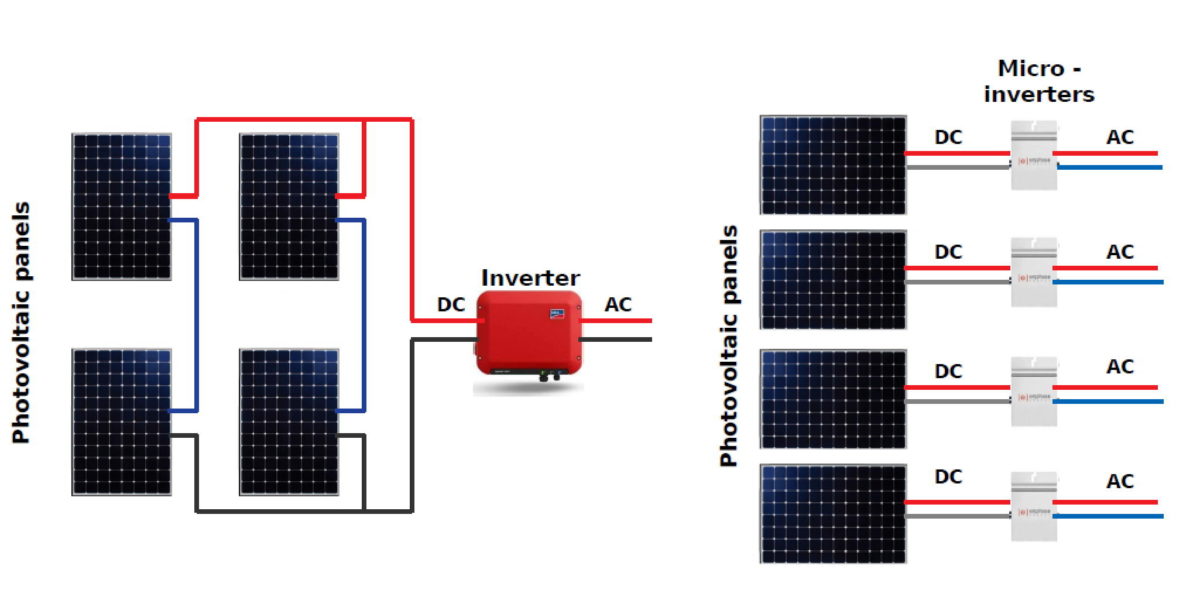
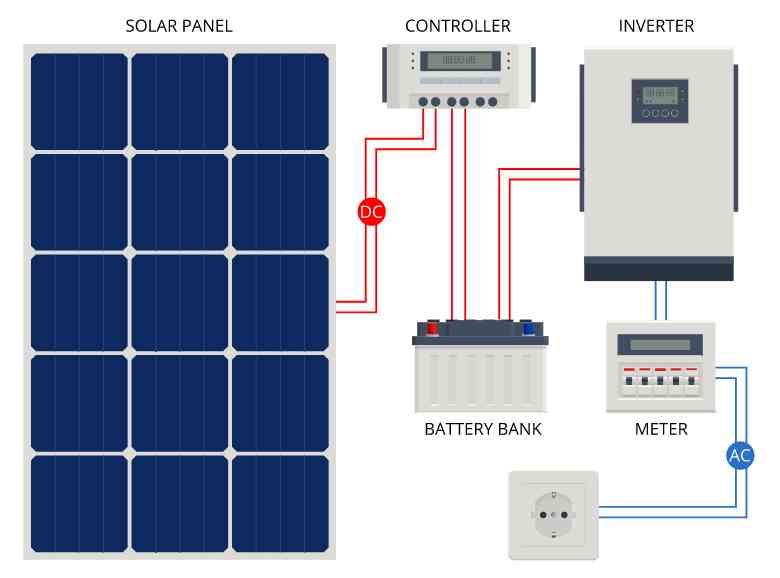
Schematic comparison of two photovoltaic system architectures
The string inverter, also known as the central inverter, is the most common technology used in photovoltaic systems. Its operating principle is based on the series connection of several solar panels, forming a "string" which feeds a single inverter.
This centralized configuration offers the advantage of simplicity: a single point for converting the direct current (DC) produced by the panels into alternating current (AC) compatible with your home grid. Modern string inverters, such as the SMA or Huawei models available from Wattuneed, achieve excellent efficiencies, often in excess of 97%, and benefit from mature, reliable technology.
How a centralized string inverter works
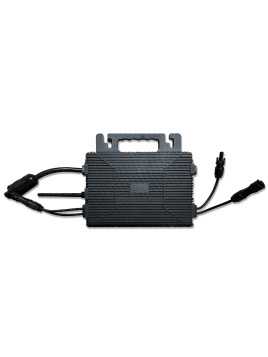
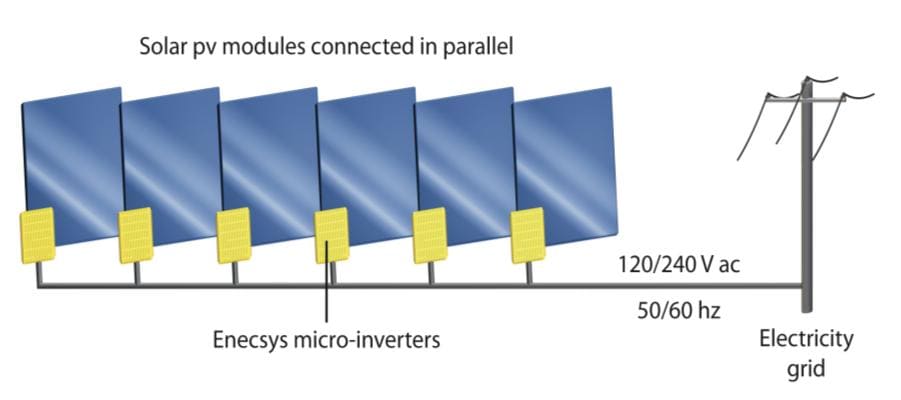
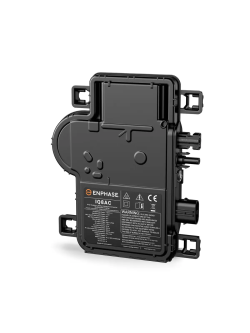
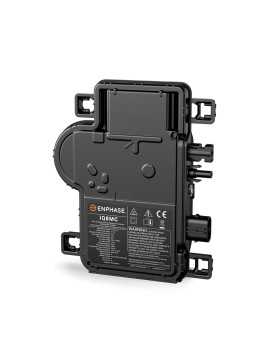
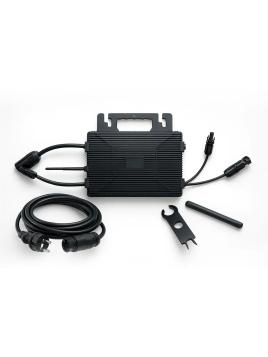
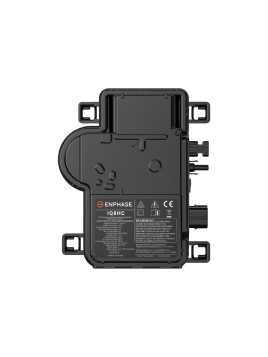
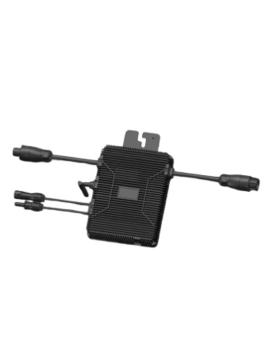
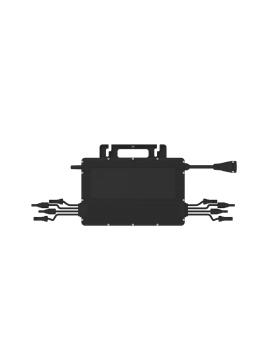
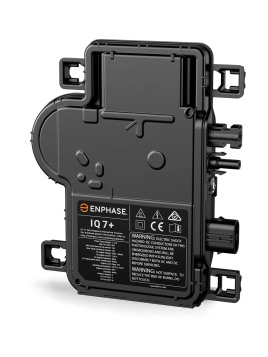
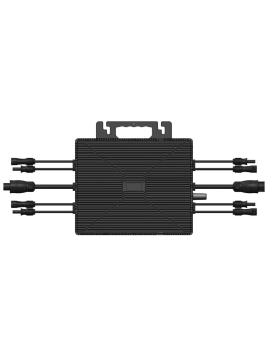
In contrast, microinverters adopt a radically different philosophy: each solar panel has its own miniaturized inverter. This technology, represented in our range by the Solenso, Astro-E and Hoymiles microinverters, immediately transforms the DC output of each panel into AC, directly on the roof.
This decentralized approach revolutionizes plant management, enabling individual control and optimization of each panel. Modern microinverters incorporate advanced monitoring functions and sophisticated communication systems.
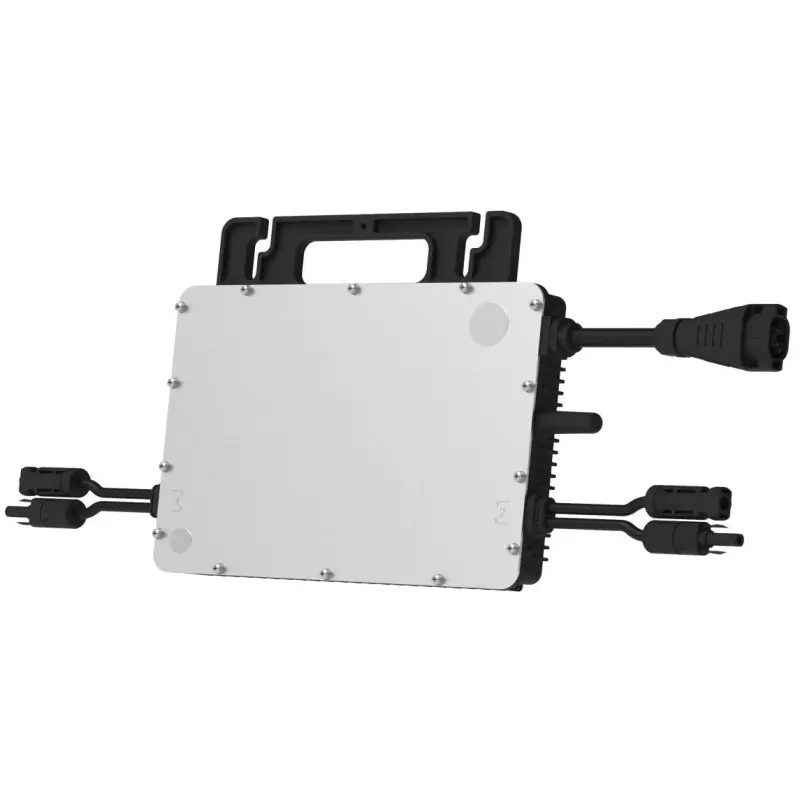
Hoymiles microinverter installed directly under the panel
Shading is one of the major challenges facing photovoltaic installations. With a string inverter, even partial shading of a single panel has an impact on the production of the entire string. This phenomenon, known as the "bottleneck effect", can drastically reduce overall system performance.
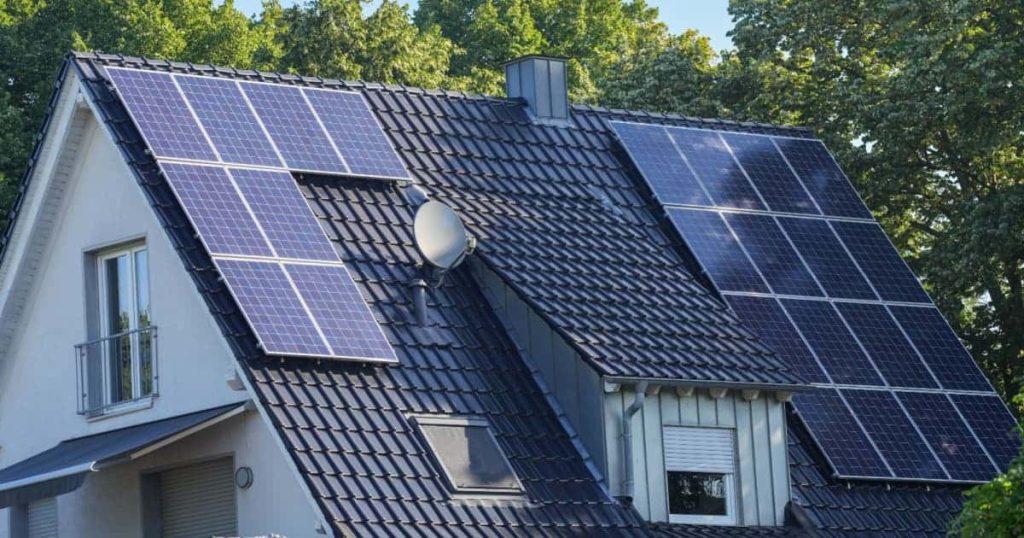
Visualization of the impact of shading on a photovoltaic installation
"I've seen a 15% improvement in my production since installing microinverters on my roof, which was partially shaded by a large oak tree. Each panel now produces according to its own sunlight conditions." - Marc D., owner of a 6 kWp installation in Liège
Microinverters completely eliminate this problem: each panel operates completely independently. A shaded panel has no effect on the production of the others, maximizing the overall yield of the installation.
The question of reliability divides industry professionals. On the one hand, string inverters offer the advantage of simplicity: a single piece of equipment to maintain, generally installed in a protected environment (garage, technical cellar). Its average lifespan is between 10 and 15 years.
Microinverters, installed directly beneath the panels, are subject to direct climatic constraints: temperature variations, humidity, bad weather. Paradoxically, this exposure to the elements is often accompanied by longer warranties (up to 25 years with some manufacturers) thanks to reinforced enclosures with IP67 protection ratings.
However, multiplying the number of units (one microinverter per panel) statistically increases the probability of failure. Discover our selection of high-quality microinverters to minimize these risks.
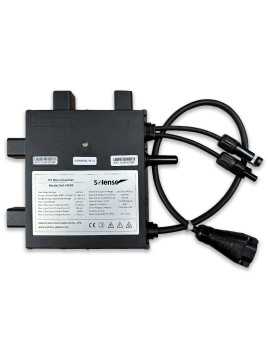
Solenso Sol-H350 microinverter - Available from Wattuneed
The financial aspect is often the determining factor in the choice between these two technologies. In 2024, in Belgium, price differences remain significant:
These initial additional costs need to be set against the potential gains in production, which are particularly significant on roofs with multiple shading or orientation constraints.
Despite a higher initial investment, microinverters can be more profitable in certain configurations. Optimizing production panel by panel can generate gains of 10 to 20%, depending on installation conditions.
Contact our experts at Wattuneed for a personalized assessment of your project: +32 87 45 00 34 or info@wattuneed.com
The trend towards self-consumption and energy independence makes the addition of batteries increasingly attractive. This is where microinverters reveal their main structural weakness.
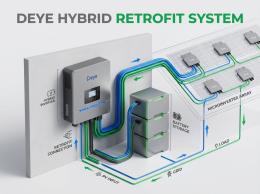
With a string inverter, the integration of a storage system takes place naturally in direct current, avoiding additional conversion losses. The modern hybrid inverters available from Wattuneed, such as the Multisolar or Deye models, simultaneously manage photovoltaic production and storage with optimum efficiency.
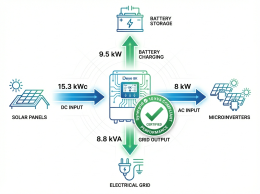
Microinverters, on the other hand, produce AC directly, and require AC coupling for battery integration. This configuration requires an additional AC-to-DC conversion to charge the batteries, then a further DC-to-AC conversion when discharging. These multiple conversions generate significant energy losses, reducing overall system efficiency by 8 to 12%.
Energy flows in a system with storage
Several manufacturers now offer AC storage solutions specifically designed for microinverter installations:
"Adding a battery to my microinverter installation cost me 40% more than a conventional integrated solution, but the modularity of the system means I can expand my capacity gradually." - Sophie L., owner of an 8 kWp installation in Namur
Microinverters are the optimal choice in the following situations:
Astro-E TM-L800Mi 800W microinverter - Advanced technology available from Wattuneed
The string inverter remains the wisest choice for :
For an expert assessment of your specific configuration, our Wattuneed specialists will help you make the right choice. Visit our premises in Andrimont or contact us for a personalized audit.
The photovoltaic inverter sector is evolving rapidly, driven by technological innovation and growing demand for efficiency:
Changes in the Belgian regulatory framework also influence the choice of technology. New safety standards favor low-voltage solutions, giving microinverters an advantage. At the same time, monitoring and traceability requirements reinforce the interest in solutions offering high tracking granularity.
Performance comparison: string inverter vs. microinverter under shading conditions
String inverters generally have a lifespan of 10 to 15 years, with warranties of 5 to 10 years. Microinverters, despite their exposure to the elements, often benefit from longer warranties (20 to 25 years) thanks to their reinforced design. In practice, the actual lifespan depends more on the quality of the manufacturer than on the technology itself.
Technically possible, but not recommended. This configuration unnecessarily complicates installation, monitoring and maintenance. It's better to opt for a homogeneous technology, or to use power optimizers with a string inverter to benefit from similar advantages to microinverters.
Paradoxically, no. Although there are more of them, microinverters generally require less intervention, thanks to their modular design. If a microinverter breaks down, the rest of the installation continues to operate normally, unlike a string inverter whose failure stops all production.
Both technologies increase property value, but microinverters can offer a commercial advantage thanks to their premium technology image and advanced monitoring. However, the impact remains marginal compared to the overall energy performance of the installation.
This migration requires complete replacement of the conversion system, including AC rewiring of the installation. The investment is generally equivalent to a new installation. So it's crucial to define your needs from the outset.
The choice between microinverters and string inverters does not follow a universal logic, but depends intimately on your specific configuration, budgetary constraints and long-term objectives.
Microinverters excel in complex configurations where panel-by-panel optimization brings significant added value. Their ability to manage shading and multiple orientations, combined with precise monitoring, makes them the premium choice for demanding installations.
The string inverter remains the optimal solution for homogeneous installations, particularly when an energy storage project is envisaged. Its simplicity, robustness and controlled cost make it the rational choice for maximizing return on investment.
At Wattuneed, we support you in this crucial decision thanks to our technical expertise and in-depth knowledge of the Belgian market. Our teams will analyze your configuration, requirements and constraints, and guide you towards the most appropriate solution.
Don't hesitate to contact us for a personalized study of your photovoltaic project. Our showroom in Andrimont gives you the opportunity to see the different technologies at first hand, and to benefit from the advice of our experts.
Address: Rue Henripré 12, 4821 Andrimont, BelgiumPhone number: +32 87 45 00 34Email: info@wattuneed.comWebsite: www.wattuneed.com
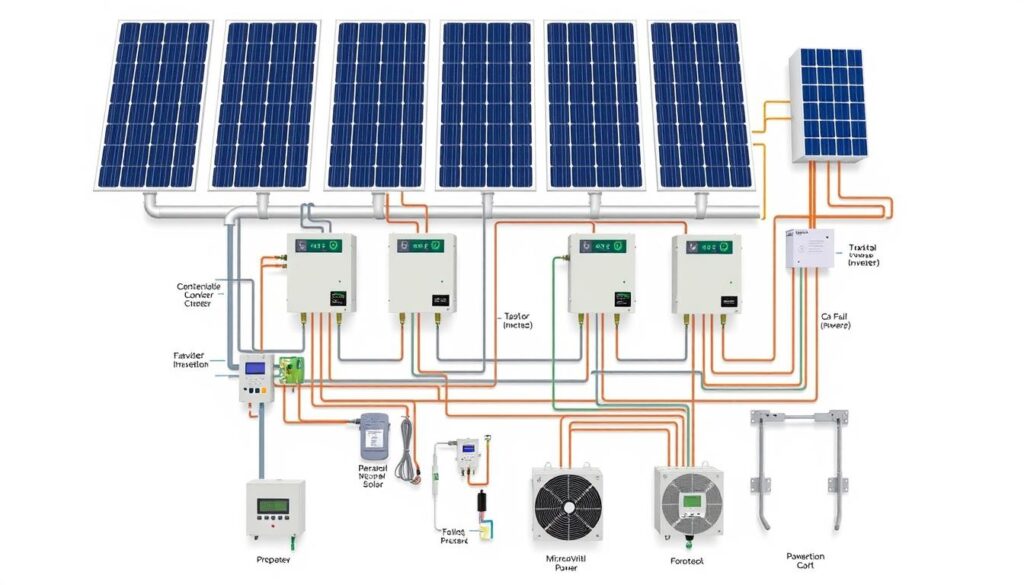
Complete diagram of a photovoltaic system with microinverters
check_circle
This store asks you to accept cookies for performance, social media and advertising purposes. Social media and advertising cookies of third parties are used to offer you social media functionalities and personalized ads. Do you accept these cookies and the processing of personal data involved?