Voltage
Brand
Price
Lithium battery
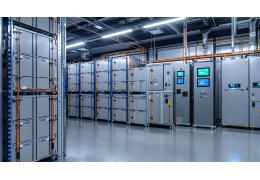
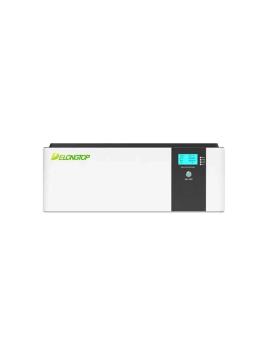
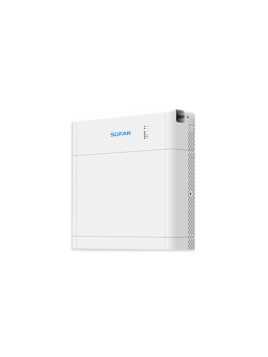
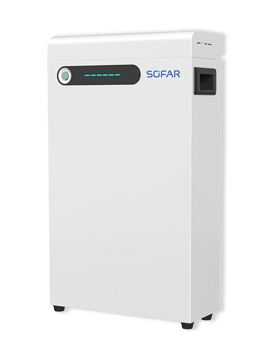
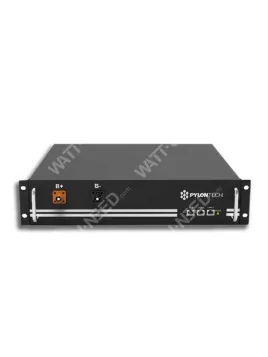
Our lithium batteries (LiFePO4 technology) store the electricity from your solar panels for use in the evening, overnight or during a grid outage. With 4,000 to 6,000 charge cycles, 80–90% depth of discharge and high safety standards, they are today's benchmark for self-consumption with storage, off-grid sites and backup power. Available from Pylontech, BYD, Dyness and Wattuneed in 48V and high-voltage versions, modular and scalable. To compare technologies and cost per usable kWh, see our battery comparison guide.
Choose in 30 seconds
- Daily self-consumption: aim for 5 to 10 usable kWh to cover a standard overnight consumption. LiFePO4 technology recommended — best cost per kWh over lifetime.
- System voltage: 48V for most residential hybrid inverters. High voltage (100–400V) for premium inverters (Huawei, Sofar HYD-EP). Check compatibility before buying.
- Inverter compatibility: verify the BMS protocol (CAN bus or RS485) and the certified battery list for your hybrid inverter model.
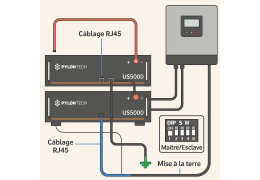
- Modularity: Pylontech, BYD and Dyness ranges are stackable — start with 1 or 2 modules and add capacity later without changing the inverter.
- Off-grid site: size in days of autonomy (not just nights). Plan for 2 to 3 cloudy days depending on your region.
Sort by:
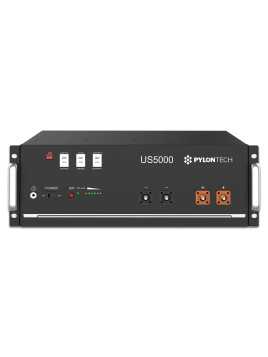

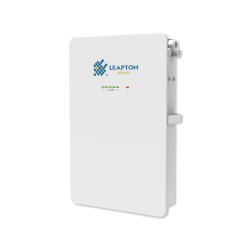
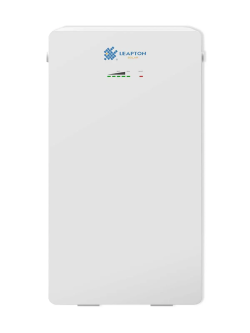
Leapton EL-A16 16kWh 314Ah LiFePO4 Lithium...
Price
€2,534.60
Regular price
€2,715.80
- On sale!
- -€181.20
- New
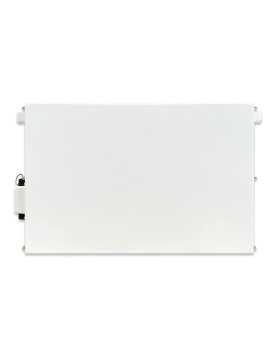


LiFePO4 lithium battery 5.12 kWh - Sofar Solar...
Price
€1,378.00
Regular price
€1,505.60
- On sale!
- -€127.60
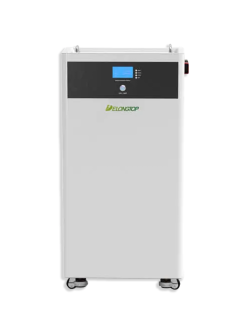








Marstek Venus-E-GEN-3.0 lithium battery - 51.2...
Price
€1,300.99
Regular price
€1,427.99
- On sale!
- -€127.00




Related posts