Mounting systems

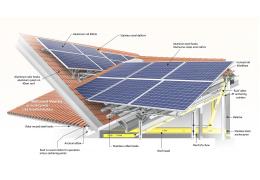
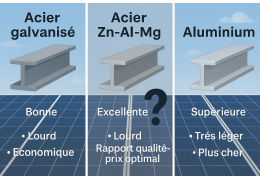
The mounting system is the life insurance of your solar installation: whether on tiles, slates, flat roofs or on the ground, the rule is simple: the fixing must not move. Our structures (aluminium/stainless steel) are designed to withstand wind and snow loads, while ensuringthe waterproofing of your roof.

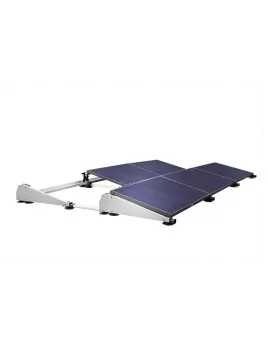
For pitched roofs, choose adjustable hooks and lag screws fixed to the roof structure to avoid any stress on the tiles. On flat roofs (bitumen, EPDM, gravel), opt for aerodynamic structures that work by ballasting (without drilling) and improve rear ventilation of the panels.

Good fastening goes hand in hand with good cabling: check your distances and sections to limit losses. See also our

Choose in 30 seconds

  • My support: tiles / slates / steel roofing / flat roof / ground / balcony.
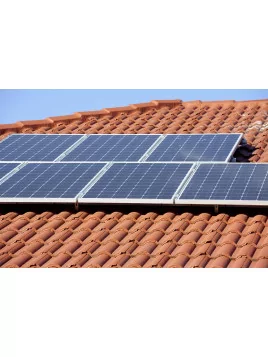
  • Sloping roof: hooks + adjustable lag screws, fixed to the roof structure to maintain watertightness.
  • Flat roof: weighted aerodynamic structure (no drilling) and good rear ventilation.
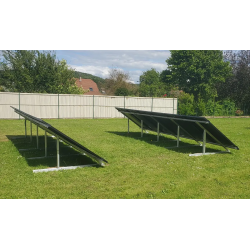
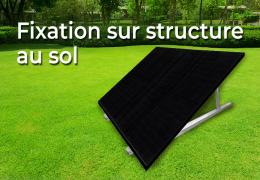
  • On the ground: kit adapted to the size of the panels and orientation (portrait/landscape).
  • Don't forget: suitable cabling and cross-sections → see cables & connectors.

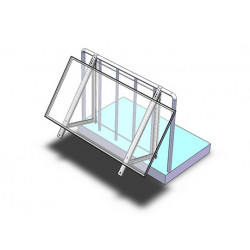
Ground mounting kit for solar panels measuring...

Price €147.83

Tile roof fixing kit

Price €57.84

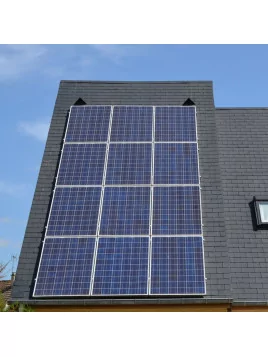
Fixing kit for slate roofs

Price €58.52

Steel roof mounting kit

Price €52.51

Metal roof mounting kit

Price €45.01

Ground mounting kit for solar panels measuring...

Price €147.83

Aluminium ground mounting kit - 13° tilt -...

Price €69.18

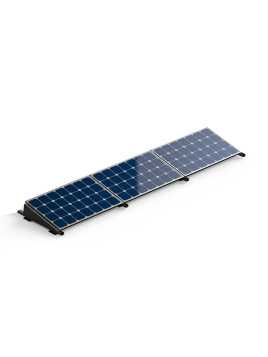
Blubase mounting system landscape configuration

Price €109.20

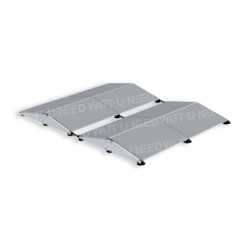
FlatFix flat roof system for panel widths from...

Price €98.03

FlatFix flat roof system for panels 105 to 115...

Price €102.55


FAQ - Mounting systems

1. Which mounting system should I choose for my roof? +
Choose based on the surface: tiles, slate, steel deck, flat roof (ballasted) or ground mount. The goal is stability (wind/snow) and watertightness.
2. Why avoid drilling a flat roof? +
On flat roofs, ballasted structures avoid drilling and reduce leak risks, while remaining stable thanks to aerodynamic design.
3. How can I ensure watertightness on a pitched roof? +
By anchoring into the roof structure with suitable hooks/coach screws, without stressing the tiles, to limit leak risks over time.
4. What should I check for a ground-mount installation? +
Check compatibility with panel dimensions, orientation (portrait/landscape) and the mechanical strength of the whole structure.
5. Why is cabling linked to the mounting system? +
The structure sets cable distances: you must check lengths and cross-sections to limit losses. See cables & connectors.
Loading...