Brand
Inverter type
Phase
Number of MPPT
Inverter power in VA
Price
Inverters and converters
The solar inverter is the central component of a photovoltaic system: it converts the direct current (DC) produced by the panels into alternating current (AC) that can be used at 230V (and, depending on the installation, fed into the grid). In this category, you will find solutions suitable forself-consumption, battery storage and off-grid projects: inverters, converters, micro-inverters and accessories.
To make the right choice, identify your needs:
Production and injection/consumption
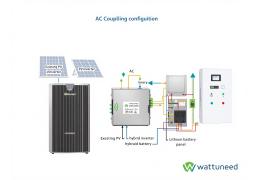
Grid-connected inverterBattery management + self-consumption
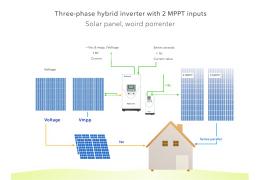
Hybrid inverterPanel-by-panel optimisation
Micro-inverterDC/AC conversion in stand-alone mode
230V converterAlso check the power (W/kVA), single-phase or three-phase, and battery compatibility (e.g. 12V/24V/48V).
Choose in 30 seconds
- Grid: for self-consumption/feed-in with solar panels.
- Hybrid: if you plan to use a battery (storage, optimisation, possibly backup).
- Micro-inverter: ideal if there is shade, multiple orientations, optimisation per panel.
- Converter: to convert DC to AC according to your needs (mobile/remote site/specific installations).


















Related posts