Since 2008
Based in Belgium and France
+ 60 000 clients
Our blog
A.S.S.
Shopping Cart
Découvrez comment installer, configurer et utiliser WatchPower pour surveiller votre onduleur solaire en temps réel....
Practical guide to reconnect your SMA Sunny Boy inverter to the WiFi network after a change of modem, router or...
Find out how Aiko is revolutionising photovoltaics with its silver-free ABC cells, laser engraving and 0BB...
Ajouter des batteries LiFePO4 neuves à un parc existant exige un équilibrage préalable rigoureux. Découvrez pourquoi...
Find out how the Walloon incentive tariff 2026 and dynamic contracts radically transform the electricity bill of...
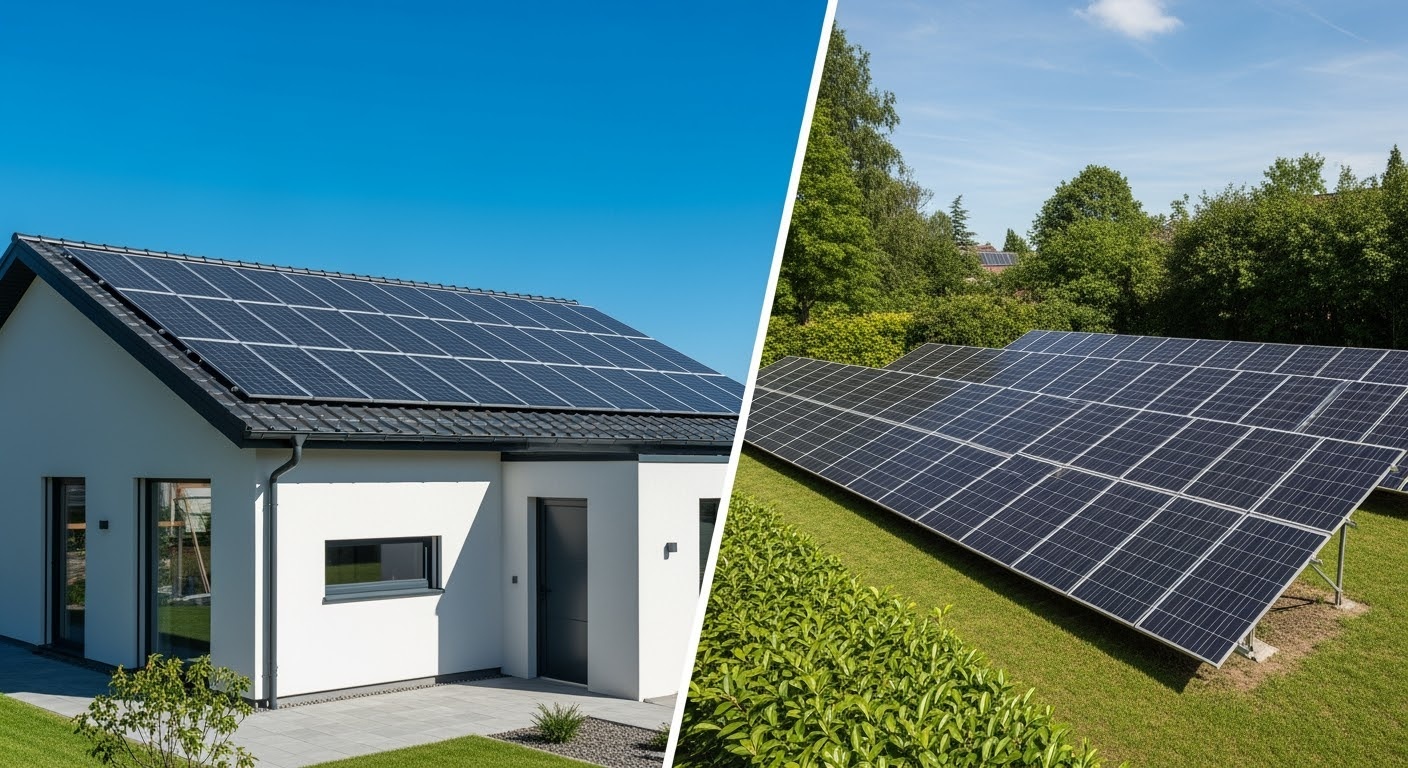
Faced with the energy transition and steadily rising electricity prices, many private individuals and professionals are turning to solar energy to generate their own electricity. However, a crucial question arises right from the start of the project: should the photovoltaic system be ground-mounted or roof-mounted? This decisive choice will influence not only the performance of your installation, but also its cost, its integration into the landscape and its durability.
At Wattuneed, a specialist in renewable energy equipment, we work with our customers on a daily basis to help them make the right choice. Our experience has taught us that every situation is unique and deserves a personalized analysis.
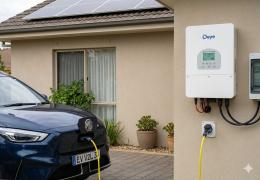
The installation of rooftop solar panels is currently the preferred solution for most private individuals and many businesses. This popularity is due to a number of considerable advantages.
To maximize the performance of a rooftop installation, several factors need to be taken into account:
"After installing 16 panels on our southwest-facing roof, our electricity bill fell by 70%. Visual integration is perfect and we haven't lost any useful space in our garden."
-
Bernard family, Liège
To assess whether your roof is suitable for solar panel installation, contact our experts who can carry out a personalized study of your situation.
Despite their many advantages, rooftop installations present certain constraints:
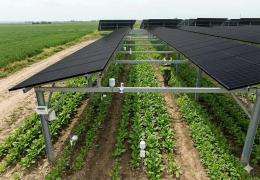
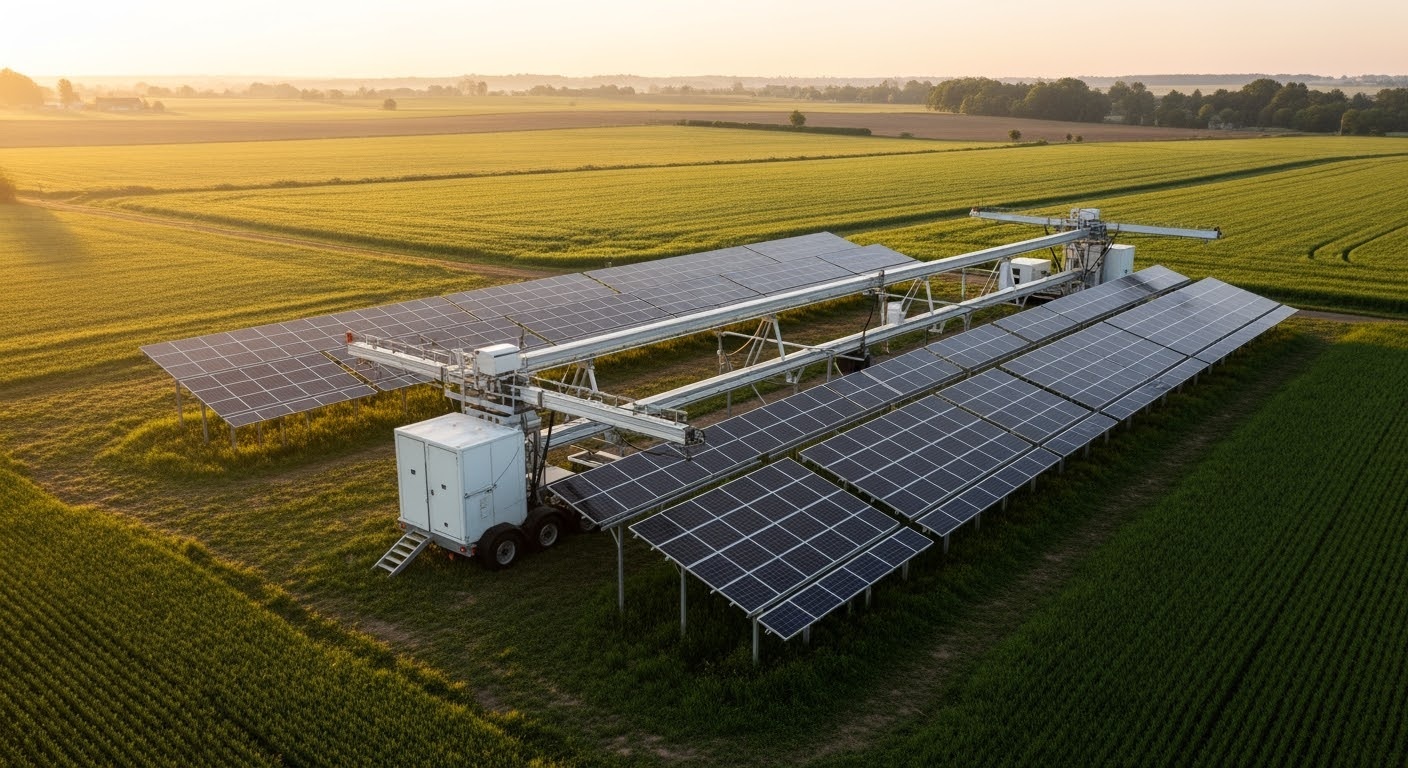
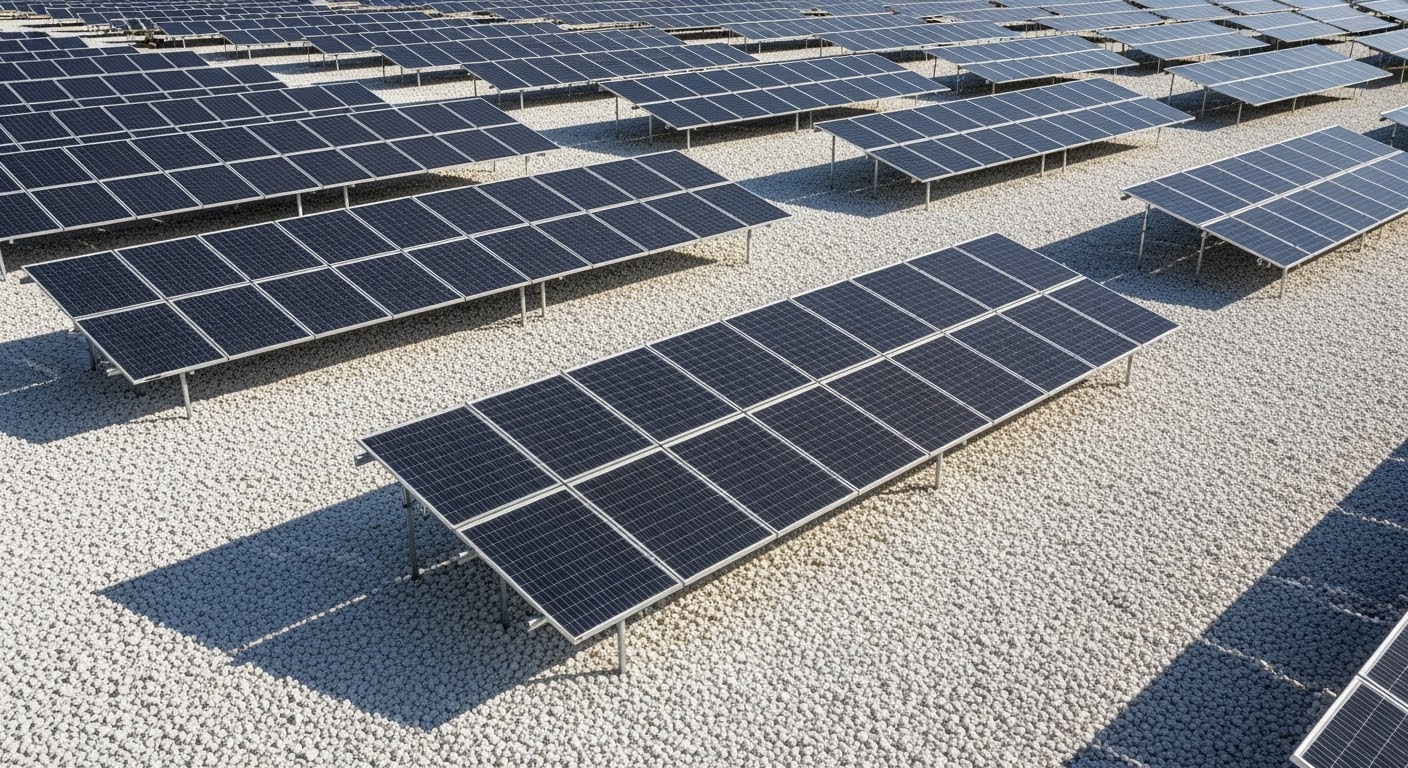
Ground-mounted photovoltaic systems are less common among private customers, but are very popular in the agricultural and industrial sectors. They are an interesting alternative when conditions are right.
Ground-mounted systems benefit from specific technologies to optimize their performance:
"As a farmer, I installed a 100 kWp ground-mounted power plant on a plot of land with low fertility. The tracking system allows me to produce 15% more electricity than a fixed installation, while still allowing me to graze my sheep under the panels."
Mr. Dupont, farmer in the Namur region
Discover our complete range of equipment for ground-mounted photovoltaic installations, including innovative structures adapted to all types of terrain.
Ground-mounted photovoltaic projects face a number of important limitations:
To help you make the best choice for your situation, here's a detailed comparative table of the two solutions:
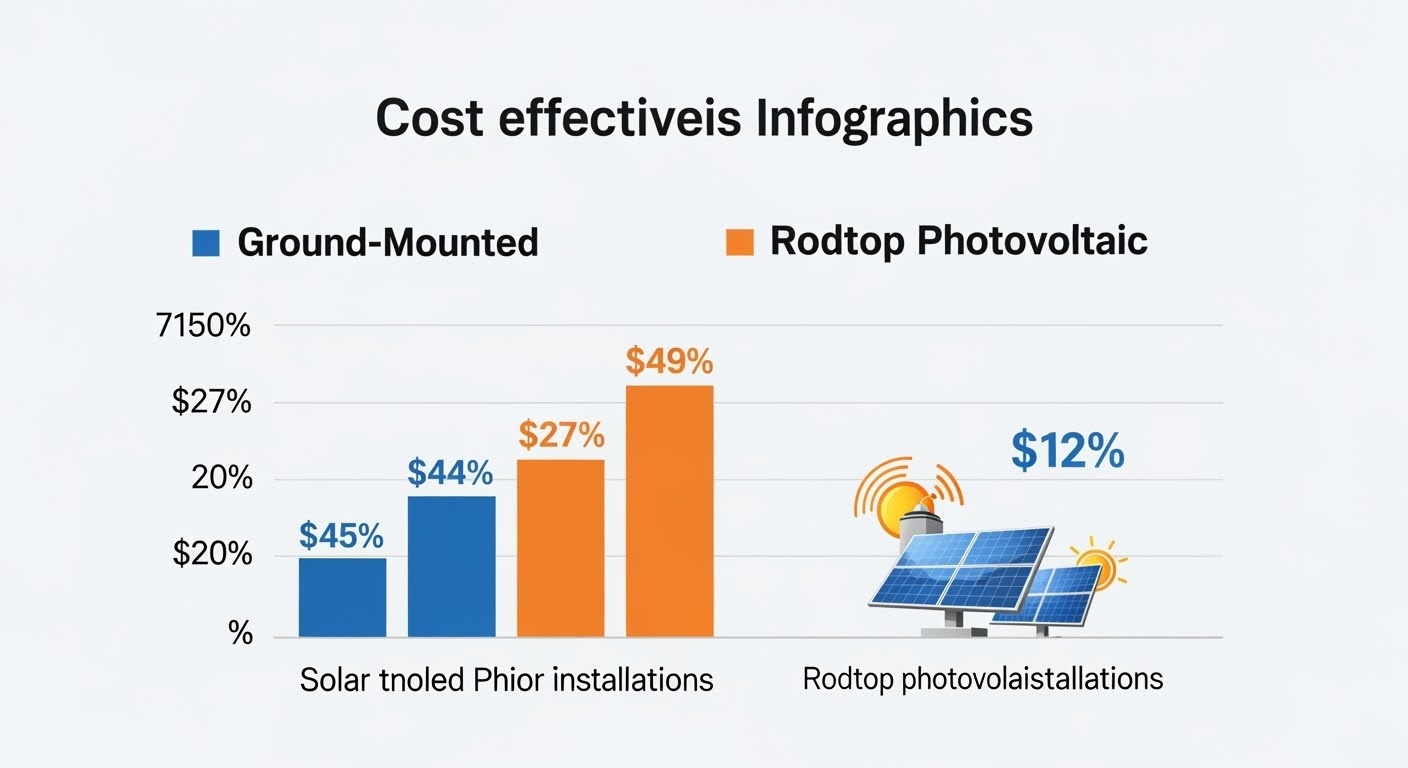
The cost of a photovoltaic installation varies significantly according to its type and size. In 2025, the following trends can be observed:
Payback time depends on a number of factors:
Case 1: Residential rooftop installation
Case 2: Professional ground-mounted system
Use our profitability simulator to accurately assess the economic potential of your photovoltaic project.
Owners of single-family homes generally prefer roof-mounted systems for a number of reasons:
Recommendation: If your roof faces south-east to south-west, with a slope of between 20° and 45° and no significant shading, a roof-mounted system is often the ideal solution.
The agricultural sector generally has two viable options:
Recommendation: For farms with less fertile land or land that is difficult to cultivate, ground-mounted systems with tracking systems represent a particularly interesting opportunity to diversify income.
Companies can consider different approaches depending on their real estate situation:
Recommendation: Companies should opt for a self-consumption approach, with sizing adapted to their consumption profile, potentially combining different solutions to maximize the self-generation rate.
The French regulatory framework clearly distinguishes between two types of installation:
The main subsidies available in 2025 include
The Belgian framework has some important regional specificities:
For ground-mounted installations, planning permission is generally required, with varying conditions depending on the municipality and the area concerned.
Roof-mounted systems require specific maintenance:
Average annual maintenance cost: €15 to €25/kWp
Ground-mounted systems have different requirements:
Average annual maintenance cost: €20-30/kWp
To guarantee your system's optimum performance over the long term, find out more about our preventive maintenance contracts for all types of photovoltaic systems.
In France, for roof-mounted systems, a simple declaration of works is generally sufficient for systems of less than 3 kWp. For ground-mounted installations, planning permission is required if the power exceeds 3 kWp or the height exceeds 1.80 m. In Belgium, rules vary from region to region, but planning permission is generally required for ground-mounted installations, while roof-mounted installations may sometimes be exempt, depending on their integration.
Financial assistance varies from country to country and region to region. In France, there's the self-consumption bonus, reduced VAT and subsidized feed-in tariffs. In Belgium, the system differs by region, with green certificates in Wallonia and specific bonuses in Flanders and Brussels. In both countries, low-interest loans are also available to finance these installations.
The average lifespan of photovoltaic panels is 25 to 30 years, with a degradation in performance of around 0.5% per year. Inverters generally have a shorter lifespan, between 10 and 15 years, requiring replacement during the life of the installation. Mounting structures, whether ground- or roof-mounted, are designed to last at least 25 years under normal conditions of use.
If you have the option of installing solar panels both on the ground and on your roof, several factors should guide your choice: the orientation and inclination of your roof (if they are close to optimal, roofing may be preferable), the surface area available in relation to your energy needs, local planning constraints, and the use you intend to make of the land (if it has other potential uses, give preference to roofing). A personalized technical-economic analysis is often necessary to determine the most cost-effective solution for your specific situation.
Modern photovoltaic systems are designed to withstand extreme weather conditions, including hail, snow and strong winds. Panels are tested to withstand significant hail impacts and heavy snow loads. Mounting structures, both ground and roof-mounted, are calculated according to current standards to withstand the prevailing winds of each region. However, it is important to ensure that installation is carried out by qualified professionals who scrupulously respect these standards to guarantee this resistance over the long term.
The choice between a ground-mounted or roof-mounted photovoltaic system depends on many personal and contextual factors. There is no universally better solution, but rather configurations more suited to each particular case.
For individuals with a well-oriented roof, a roof-mounted system is generally the most practical and economical solution. For professionals with high energy requirements and available land, ground-mounted installations can offer better energy optimization and easier maintenance.
In all cases, a personalized study that takes into account all technical, economic and regulatory parameters is essential to make the most appropriate choice.
Wattuneed's experts are at your disposal to help you make the right choice and offer you the photovoltaic solution best suited to your specific needs.
WattuneedRue Henripré 124821 AndrimontBelgium+32 87 45 00 34info@wattuneed.com
check_circle
This store asks you to accept cookies for performance, social media and advertising purposes. Social media and advertising cookies of third parties are used to offer you social media functionalities and personalized ads. Do you accept these cookies and the processing of personal data involved?