Since 2008
Based in Belgium and France
+ 60 000 clients
Our blog
A.S.S.
Shopping Cart
Découvrez comment installer, configurer et utiliser WatchPower pour surveiller votre onduleur solaire en temps réel....
Practical guide to reconnect your SMA Sunny Boy inverter to the WiFi network after a change of modem, router or...
Find out how Aiko is revolutionising photovoltaics with its silver-free ABC cells, laser engraving and 0BB...
Ajouter des batteries LiFePO4 neuves à un parc existant exige un équilibrage préalable rigoureux. Découvrez pourquoi...
Find out how the Walloon incentive tariff 2026 and dynamic contracts radically transform the electricity bill of...
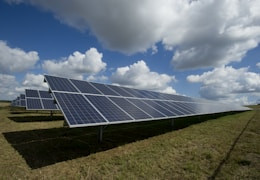
The choice of metal for the structure of your solar panels is a strategic decision. The lifespan of your photovoltaic installation, its maintenance and its profitability all depend on it. At Wattuneed, we can help you choose the materials best suited to your projects, whether you are a private individual or a professional installer. Why the choice of metals is essential in photovoltaics A photovoltaic structure has to withstand the effects of the weather for 25 to 30 years: humidity, sea salt, industrial pollution, UV rays and freeze/thaw cycles. That's why manufacturers offer three main types of material: Hot-dip galvanised steel Zinc-Aluminium-Magnesium (Zn-Al-Mg) coated steel Anodised aluminium alloy "A well-designed solar structure is not only robust, it must also be compatible with the environment in which it is installed. Technical comparison of the three solutions Criteria Galvanised steel Zn-Al-Mg steel Anodised aluminium Corrosion resistance Good (C4 max), requires touching up on cuts Excellent, self-healing on edges Superior, does not rust, ideal for C4-C5 Weight Heavy (7.85 g/cm³) Heavy (7.85 g/cm³) Very light (2.7 g/cm³) Machining / Installation Good, but needs to be reworked Good, pre-coated coils = rapid production Excellent, easy to cut and fit Cost Economical Best value for money More expensive, offset by speed of installation Applications Ground-mounted solar farms Exposed sites (humidity, salinity) Residential roofs, coastline Understanding corrosivity classes (C1 to C5) Classes C1 to C5 ( ISO 12944 standard) define the severity of corrosive environments: C1: dry indoor atmosphere (offices, homes). C2: lightly polluted or rural atmosphere. C3: moderate urban or industrial atmosphere. C4: polluted industrial or coastal atmosphere with moderate salinity. C5: severe industrial atmosphere or very salty coastal atmosphere (marine). In practical terms, when a material is indicated as suitable up to C4, this means that it can withstand moderate industrial or coastal environments without significant corrosion for at least 25 years. In zone C5, reinforced solutions such asanodised aluminium orZn-Al-Mg steel are preferred. A closer look at each material 1. Galvanised steel Q235 steel is protected by hot-dip galvanising (≈ 85 µm zinc). Its robustness and attractive cost make it a frequent choice for large structures on the ground. Limitation: in a marine atmosphere (C5), corrosion will eventually occur. 2. Zn-Al-Mg steel An evolution of galvanised steel, Zn-Al-Mg steel receives a continuous coating of 275 g/m² in the steelworks. It offers self-healing cut protection and durability 3 to 5 times greater than standard galvanised steel. Ideal for sites exposed to humidity or salt. 3. Anodised aluminium With a density of 2.7 g/cm³, aluminium is 3 times lighter than steel. Protected by an anodising process (≈ 10 µm), it is highly resistant to corrosion and is easy to install on roofs. Its initial cost is higher, but it guarantees superior longevity and ease of installation. "In our residential projects, we prefer aluminium because it's lightweight and quick to install. - Testimonial from a Wattuneed partner installer Compatibility between metals: beware of galvanic corrosion When two different metals come into contact in the presence of moisture, galvanic corrosion can occur. Metals to avoid in direct contact : Copper ↔ Aluminium or Galvanized steel Stainless steel ↔ Galvanised (without insulation) Compatible metals: Aluminium ↔ Stainless steel (with insulation washers) Aluminium ↔ Steel Zn-Al-Mg Best practice: Interpose EPDM or nylon washers, avoid pockets of standing water and protect cuts. Recommendations according to project type Residential roofs: Anodised aluminium for lightness and speed of installation. Ground-mounted solar parks: Galvanised steel for lower cost, or Zn-Al-Mg for longer life. Coastal / saline atmospheres: Anodised aluminium or Zn-Al-Mg recommended. Economic analysis: cost and return on investment In Belgium and France, the price of an aluminium structure is 15% to 25% higher than an equivalent steel structure. But this extra cost is often offset by : Reduced installation time (up to 30% less labour) Longer service life without heavy maintenance Reduced weight, which means less stress on the roof For large-scale ground-mounted solar power plants, steel remains more competitive in terms of volume, especially when combined with high-power solar kits for self-consumption. Recommended products from Wattuneed Anodised aluminium roof structures Galvanised steel and Zn-Al-Mg ground structures Complete self-consumption solar kits FAQ - Metals and photovoltaic structures Which metal is best for a roof? Anodised aluminium is light, durable and highly resistant to corrosion. Is Zn-Al-Mg better than galvanised? Yes, it offers self-healing protection and superior durability in damp and salty environments. Do I need to protect cuts on site? Yes, especially for galvanised steel. Aluminium does not require any anti-corrosion retouching. Which metal should I choose for seaside applications? Anodised aluminium or Zn-Al-Mg steel, both designed to withstand marine environments. Contact Wattuneed To choose the best structure for your solar panels, contact us: WattuneedRue Henripré 124821 Andrimont - Belgium+32 87 45 00 34info@wattuneed.com
check_circle
This store asks you to accept cookies for performance, social media and advertising purposes. Social media and advertising cookies of third parties are used to offer you social media functionalities and personalized ads. Do you accept these cookies and the processing of personal data involved?