Type of need
Number of panels
Phase
Mains re-injection
Inverter power in VA
Kit output voltage
Wind turbine
Price
Self-consumption solar kits
These self-consumption solar kits are designed for immediate profitability: you generate and consume your own electricity in real time. Whether you want to eliminate your consumption with a Plug & Play kit or equip an entire roof, our grid-connected solutions will reduce your bill from day one.
The choice of architecture is key. Opt for micro-inverters (Enphase, Hoymiles) if you are looking for maximum security, panel-by-panel shade management and future scalability. This is the ideal solution for starting small and then growing.
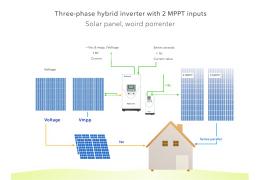
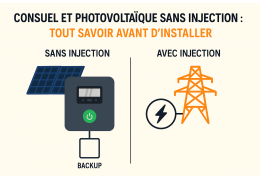
For large, unshaded areas, our kits with string inverters (Sofar, SolaX) offer the best cost per kWp on the market. All our systems can be configured for zero feed-in to comply with local regulatory constraints if necessary, while remaining connected to the grid for surplus power.
Choose in 30 seconds
- Your goal: eliminate your consumption footprint (Plug & Play) or equip an entire roof.
- Micro-inverters: recommended if you want to manage shading panel by panel and maintain a scalable solution.
- String inverter: ideal for large, unshaded areas to optimise the cost per kWp.
- Compliance: if necessary, opt for a zero injection configuration and validate your project using the Solar Simulator.
Need a more comprehensive complete kit? See also
Our solar kitsAnd for kits with storage, see
230V AC kits with batteries




Related posts