Meter Solax single-phase and three-phase

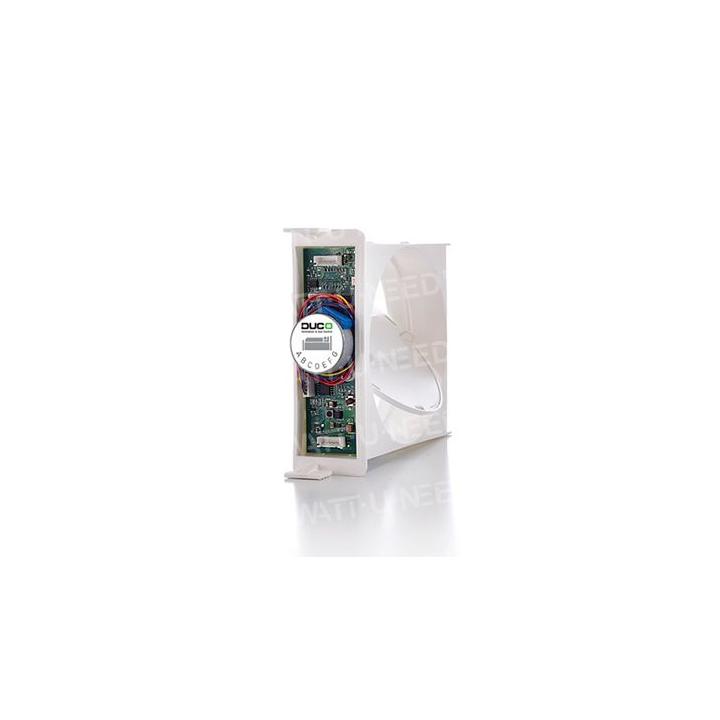
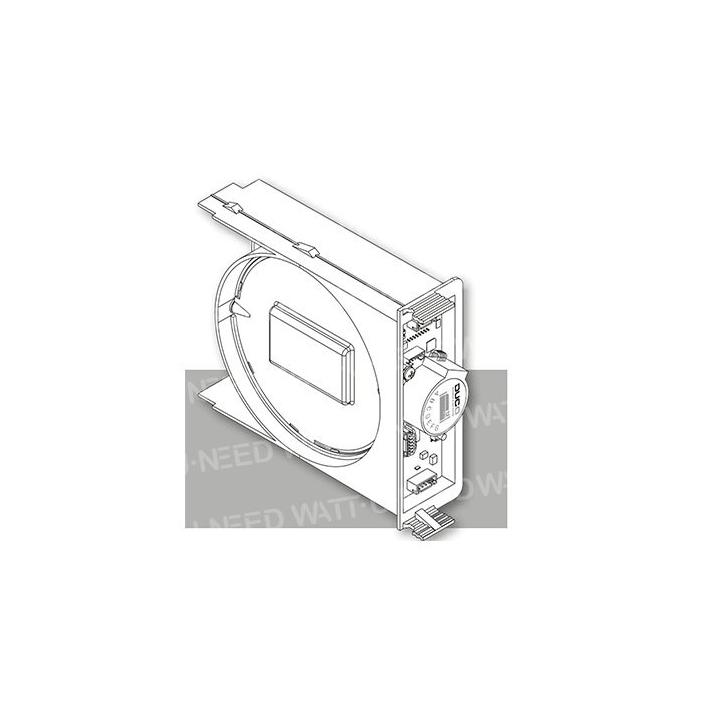
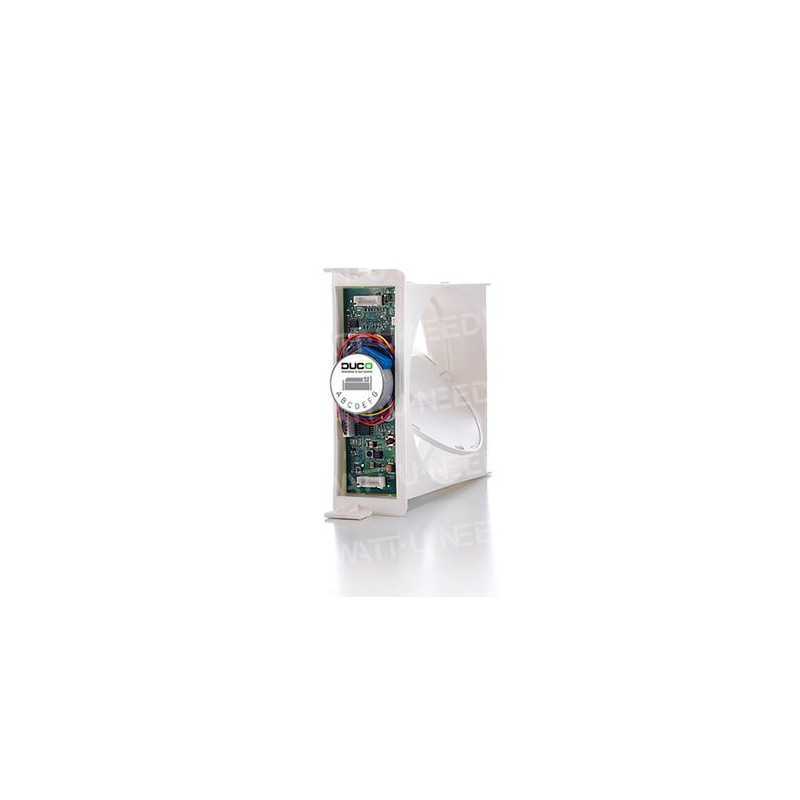
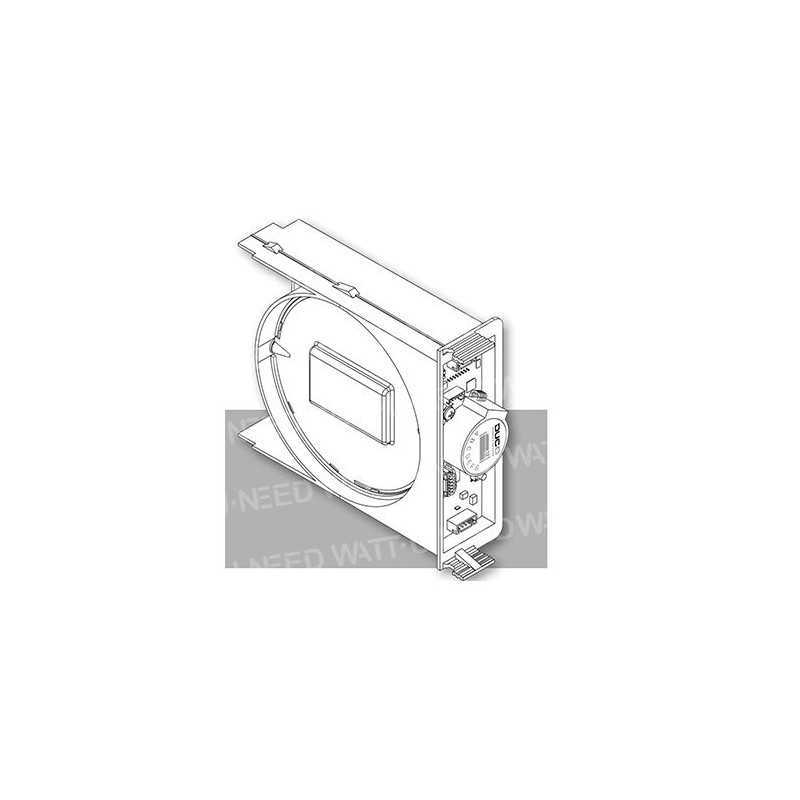
Air Valve with CO2 Sensor Duco - Intelligent Ventilation 75m³/h

€308.65
Tax included
DUC00004208
0768563817342

Duco intelligent ventilation control damper fitted with a CO2 sensor for adaptive airflow ventilation. Designed for residential and technical premises, it measures CO2 and temperature, modulating airflow from 15 to 100 m³/h (nominal 75 m³/h).

Compatible with DucoBox Focus system (not included). Perfect for bedrooms, living rooms, offices and photovoltaic technical rooms housing inverters and batteries.

  • Compact dimensions: 100x76x66 mm (0.4 kg)
  • Accurate NDIR sensor: 0-5000 ppm CO2 (±50 ppm), temperature 0-40°C (±0.5°C)
  • Energy savings: 60-70% vs constant ventilation
  • Simple installation: Ø80 mm duct connection, low-voltage wiring
  • 2-year manufacturer'swarranty

Ideal for energy-efficient renovation or new build to RT2012/RE2020 standards. Standard white colour, discreet ceiling/wall integration. Minimal maintenance: semi-annual grille cleaning, annual sensor inspection.

Reference : DUC00004208 | EAN : 0768563817342 | Stock available Belgium, quick delivery.

Comments (0)

No customer reviews for the moment.

CMV Control Damper with CO2 Sensor Duco - Intelligent Air Quality Controlled Ventilation

The control damper equipped with a CO2 sensor (reference DUC00004208) is an intelligent component of a controlled mechanical ventilation system (CMV) designed by Duco, a Belgian specialist in residential and tertiary ventilation. This damper is integrated into DucoBox Focus systems and enables automated and optimised management of indoor air quality.

Unlike traditional constant flow ventilation systems, this intelligent damper adapts the air extraction flow rate in real time based on continuous measurement of the CO2 (carbon dioxide) level and the ambient temperature. The result: optimum air quality at all times, significant energy savings (up to 30%) and improved thermal comfort.


How it works - CO2 Controlled Ventilation

CO2 (carbon dioxide) is the best indicator of indoor air quality:

  • Outdoor air: ~400 ppm (parts per million) CO2
  • Healthy indoor air: 400-800 ppm (target value)
  • Poor indoor air: 800-1200 ppm (feeling of confinement, lower concentration)
  • Polluted indoor air: > 1200 ppm (headaches, fatigue, health risks)

How the intelligent damper works:

  1. Continuous measurement: The integrated CO2 sensor measures the CO2 level every 30 seconds.
  2. Analysis and decision: The valve microcontroller compares the measured value with the programmed thresholds (e.g. 800 ppm = triggering).
  3. Flow rate adjustment: If CO2 > threshold, the damper opens progressively to increase the extraction flow rate (up to 75 m³/h max). The DucoBox fan automatically adapts its speed.
  4. Normal return: When CO2 < threshold (renewed air), the damper reduces the airflow to the basic level (15-20 m³/h on standby).
  5. Thermal hygiene: Temperature measurement prevents excessive ventilation in winter (heat loss) or summer (cooling loss).

Major benefit: The system ventilates only when necessary, where necessary, and in the right quantity. Guaranteed energy savings compared with conventional single-flow ventilation.


Applications and Installation Areas

The CO2 damper is designed for several types of rooms:

1. Living areas (Living room, Open plan kitchen, Bedrooms):

  • Issue: Variable occupancy during the day. CO2 rises rapidly when several people are present (human breathing = CO2 production).
  • Solution: The damper automatically increases the ventilation rate when the room is occupied, evacuating CO2, humidity and odours. Returns to minimum flow rate at night or when the room is empty.
  • Typical thresholds: Activation at 800 ppm, maximum flow rate at 1000 ppm.
  • Benefits: Optimum comfort, no feeling of confinement, quality sleep (bedrooms), heating/air conditioning savings.

2. Toilets (Presence Detection):

  • Issue: Occasional occupancy, need for rapid extraction of odours.
  • Intelligent solution: The CO2 valve for toilets works differently. It detects human presence by rapidly increasing CO2 (breathing) and immediately activates the maximum extraction flow rate. When the person leaves (CO2 drops), ventilation lasts 5-10 minutes, then returns to the minimum flow rate.
  • Advantage: No need for a separate motion detector (saves wiring). Efficient odour extraction without extra power consumption.

3. Technical rooms (UPS, Lithium batteries):

  • Problem: Inverters and batteries produce heat during operation. Lithium-ion batteries can emit gases if they malfunction (although this is rare with modern LiFePO4 batteries).
  • Solution: A CO2 valve installed in the equipment room provides ventilation proportional to occupancy (technician present) and temperature. Prevents overheating of electronic equipment.
  • Recommendation: For battery rooms, prefer permanent low-speed ventilation + forced extraction on high temperature detection (dedicated sensor). The CO2 damper is still useful for detecting the presence of a technician (door opening = CO2 increase).

Important note: LiFePO4 batteries (Pylontech, BYD, etc.) do NOT release CO2 in normal operation. The CO2 detected comes solely from human respiration. To monitor batteries specifically, use specific gas detectors (H2, VOC) and temperature probes.


Detailed Technical Specifications

Paramètre Valeur
IDENTIFICATION
Référence fabricant DUC00004208
Marque Duco (Belgique)
Type Clapet de réglage VMC avec sonde CO2
Compatibilité Système DucoBox Focus
DIMENSIONS ET POIDS
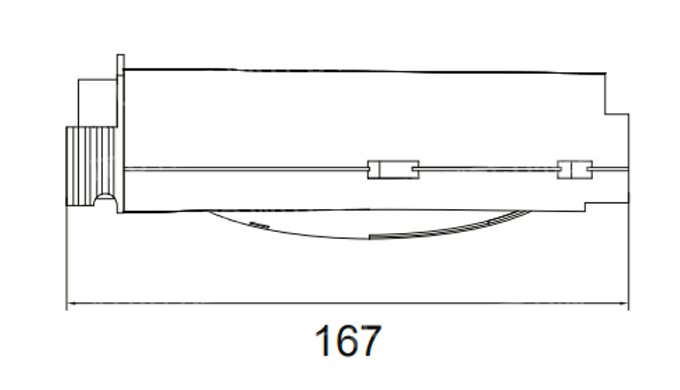
Largeur (mm) 76
Hauteur (mm) 100
Épaisseur (mm) 66
Poids (kg) 0,4
CAPTEURS ET MESURE
Sonde CO2 Capteur NDIR (infrarouge)
Plage mesure CO2 (ppm) 0-5000
Précision CO2 ±50 ppm + 3% de la valeur mesurée
Temps de réponse CO2 (s) 30
Sonde température Thermistance NTC
Plage mesure température (°C) 0-40
Précision température ±0,5°C
DÉBIT ET VENTILATION
Débit nominal configuré usine (m³/h) 75
Plage de débit ajustable (m³/h) 15-100
Débit veille (pièce inoccupée, m³/h) 15-20
Débit maximal (occupation, m³/h) 75-100
Type de régulation VAV (Variable Air Volume)
ALIMENTATION ET COMMUNICATION
Alimentation électrique Via système DucoBox (24V DC)
Consommation (W) < 1
Communication Bus Duco (câble RJ45)
Configuration Duco Network Tool (logiciel PC)
CONDITIONS D'EXPLOITATION
Température de fonctionnement (°C) 0 à +40
Humidité relative (%) 10-95 (sans condensation)
Installation Intérieure uniquement
Montage Conduit de ventilation Ø 125mm
SEUILS ET PROGRAMMATION (exemples valeurs usine)
Seuil activation CO2 pièce de vie (ppm) 800
Seuil débit maximal CO2 (ppm) 1200
Hystérésis (ppm) 100
Délai avant réduction débit (min) 10
NORMES ET CONFORMITÉ
Norme ventilation EN 15251, NBN D50-001 (Belgique)
Marquage CE
Garantie fabricant 2 ans


DucoBox Focus system installation and integration

System requirements:

  • DucoBox Focus ventilation system installed (central extractor fan)
  • Ø 125mm ventilation ductwork
  • Duco bus wiring (RJ45) between valve and DucoBox
  • Duco Network Tool software for initial configuration

Installation procedure:

  1. Choose location:
    • Living rooms: Wall or ceiling extract unit, away from windows and doors (min. 1m)
    • Toilet: Ceiling or high wall (stale air rises)
    • Equipment rooms: Upper part of the room (heat rises), opposite the fresh air inlet.
  2. Connecting the duct: Insert the damper into the Ø 125mm duct. Tighten the fixing collar.
  3. Connect the Duco bus: Connect the RJ45 cable from the damper to the DucoBox Focus box (each damper = 1 RJ45 port).
  4. Power the system: The valve is powered with 24V DC via the Duco bus (no separate power supply required).
  5. Software configuration:
    • Connect a PC to the DucoBox via network cable or WiFi
    • Launch Duco Network Tool
    • Detect the flap (automatically appears in the interface)
    • Configure the room type (Living / Bedroom / Toilet / Equipment room)
    • Adjust CO2 thresholds if necessary (factory values are generally suitable)
    • Set the flow rates (standby flow rate, nominal flow rate, boost flow rate)
    • Confirm and save the configuration
  6. Functional test: Blow CO2 (breath) near the sensor. The extraction flow rate should increase in a few seconds. Check on the Duco Network Tool interface that the measured CO2 values are displayed correctly.

Professional tip: For technical rooms containing inverters/batteries, program a temperature threshold (in addition to CO2) to trigger forced ventilation if the temperature exceeds 30°C (to protect electronic equipment).

For a detailed installation guide with diagrams, consult our technical support centre.


Custom Configuration and Setup

The Duco Network Tool software can be used to fine-tune the behaviour of the damper:

Modifiable parameters:

Paramètre Valeur usine Plage ajustable Recommandation
Seuil activation CO2 (ppm) 800 600-1200 800-900 (confort optimal)
Seuil débit maximal (ppm) 1200 900-1500 1000-1200
Hystérésis (ppm) 100 50-200 100 (évite oscillations)
Délai réduction débit (min) 10 5-30 10-15
Débit veille (m³/h) 15 10-30 15-20
Débit nominal (m³/h) 75 40-100 Selon volume pièce
Débit boost (m³/h) 100 75-120 100 (max système)

Calculation of flow rate required according to room volume:

Formula: Flow rate (m³/h) = Room volume (m³) × Renewal rate (h-¹)

Examples:

  • Bedroom 12m² (surface area) × 2.5m (height) = 30 m³ → Recommended flow rate: 30 × 1.5 = 45 m³/h
  • Living room 30m² × 2.5m = 75 m³ → Recommended flow rate: 75 × 1.5 = 112 m³/h (provide 2 dampers)
  • Toilet 2m² × 2.5m = 5 m³ → Recommended flow rate: 5 × 6 = 30 m³/h (rapid renewal)
  • Utility room 10m² × 2.5m = 25 m³ → Recommended flow rate: 25 × 2 = 50 m³/h

Recommended renewal rates: Bedrooms 1-1.5 h-¹, Living/Kitchen 1.5-2 h-¹, Toilets 6-8 h-¹ (occupancy), Technical rooms 2-3 h-¹.


Energy Savings and Performance

The CO2-controlled ventilation system generates significant savings:

Comparison between conventional single flow ventilation and intelligent CO2 ventilation:

Critère VMC classique débit constant VMC CO2 intelligente Économie
Débit moyen (m³/h) 120 (permanent) 35 (adaptatif) -71%
Consommation ventilateur (kWh/an) 350 120 -66%
Déperditions thermiques hiver (kWh/an) 2500 900 -64%
Coût énergétique annuel (€) 285 102 -183€/an
ROI surcoût système CO2 (années) - 3-4 Rentable

Calculation assumptions: 120m² occupied house, electricity rate €0.30/kWh, gas heating €0.08/kWh, temperate climate Belgium.

Other benefits:

  • Reduced noise pollution: Fan runs at low speed 70% of the time (virtually silent)
  • Improved thermal comfort: less cold air entering in winter, less hot air exhausted in summer
  • EPB improvement (Belgium): On-demand ventilation system = bonus in the EPB calculation (Energy Performance of Buildings)
  • Longer fan life: Reduced operation = less mechanical wear


Residential Ventilation Standards and Compliance

The Duco CO2 damper complies with European and Belgian standards:

  • EN 15251: European standard for indoor climate criteria (temperature, humidity, CO2, air quality). Defines comfort thresholds: CO2 < 800 ppm = category I (optimum comfort), 800-1000 ppm = category II (acceptable comfort).
  • NBN D50-001 (Belgium): Belgian standard for ventilation in residential buildings. Imposes minimum ventilation rates according to room type and surface area. The Duco CO2 system complies with these minimums even in standby mode.
  • EN 13141-7: Residential ventilation components standard. Defines test methods for control dampers and their integrated sensors.
  • CE marking: Compliance with European directives (EMC, low voltage, food contact materials where applicable).

Belgian EPB requirements: On-demand ventilation systems (controlled by CO2 or humidity) benefit from a favourable correction factor in the calculation of the Energy Performance of Buildings. Installation by an approved professional recommended for PEB assessment.


Advantages of the Intelligent CO2 Ventilation System

  • Optimum air quality 24/7: continuous CO2 measurement, automatic flow adjustment. No feeling of confinement.
  • 60-70% energy savings: Ventilate only when necessary. ROI 3-4 years.
  • Improved thermal comfort: Reduced winter/summer heat loss. Fewer cold draughts.
  • Reduced noise pollution: Silent operation 70% of the time (low speed).
  • Simplified installation: Plug-and-play in DucoBox Focus system. Intuitive software configuration.
  • Duco reliability: Reference Belgian brand in residential ventilation. 2-year warranty. Responsive after-sales service.
  • Minimal maintenance: No filter to change (at the damper). CO2 sensor cleaned every 5 years.
  • PEB Belgium rating: Bonus in the building's energy performance calculation.
  • Versatility: Suitable for living rooms, toilets and plant rooms. Customised settings for each room.


🛠️ Maintenance and calibration of CO2 sensor

To guarantee measurement accuracy and system efficiency:

  • Cleaning CO2 probe: Every 12 months, gently clean the probe with a dry cloth (no chemicals). Remove any accumulated dust.
  • Probe calibration: Every 2-3 years, calibrate the CO2 probe using the Duco Network Tool software. Procedure: expose the probe to fresh outside air (400 ppm) for 20 min, run automatic calibration. Or contact an authorised Duco technician.
  • Flow rate check: Annually, check that the extraction flow rate corresponds to the programmed values (measure with an anemometer).
  • Visual check: Check that there is no condensation in the duct, no obstruction (cobwebs), RJ45 connection properly plugged in.
  • Firmware update: If available, install valve firmware updates via Duco Network Tool (bug fixes, performance improvements).

CO2 sensor lifetime: 10-15 years (robust NDIR sensor). After that, accuracy may deteriorate. Complete valve replacement recommended.


Order your intelligent CO2 dampernow and optimise the air quality and energy efficiency of your ventilation!
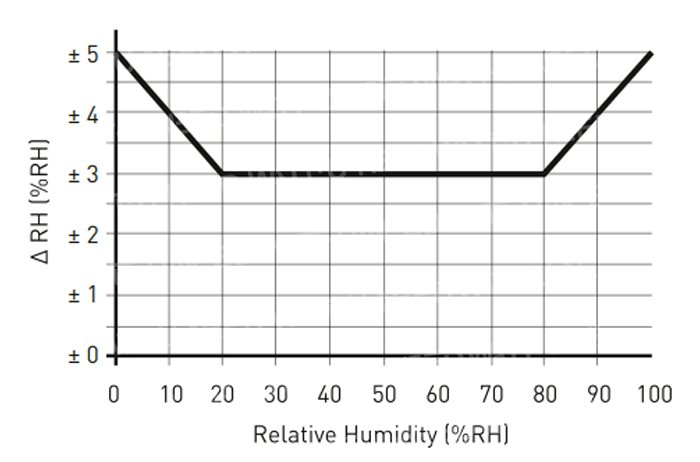
Courbe


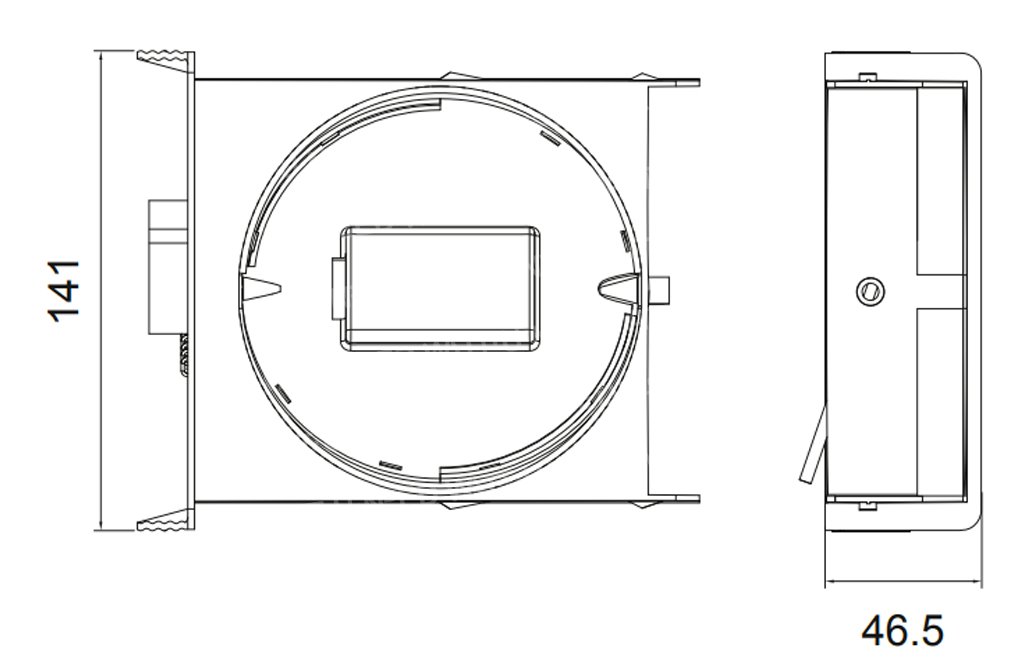
Dimensions

Dimensions

Dimensions

DUC00004208

Data sheet

Width
76 mm
Height
100 mm
Thickness
66 mm
Weight
0,4 kg

Specific References

UPC
768563817342
EAN13
0768563817342
New
Loading...