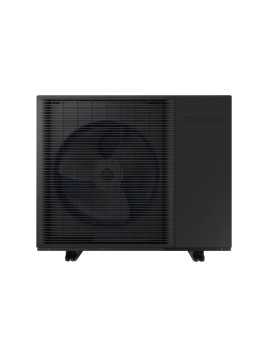
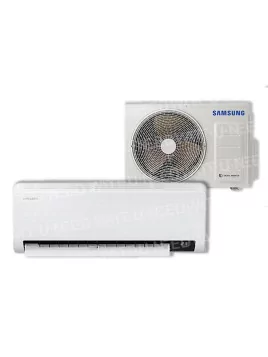
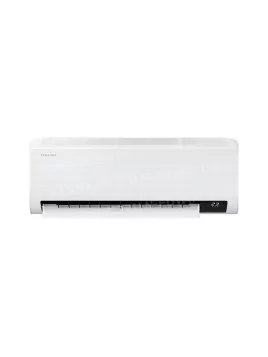
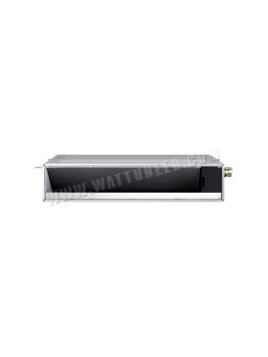
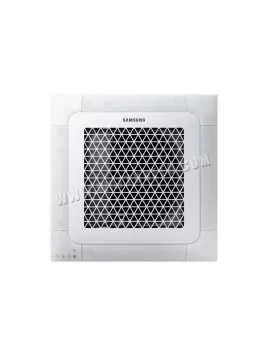
List of products by brand Samsung
Samsung is committed to complying with local laws and regulations, as well as implementing a strict international code of conduct for all its employees. Samsung believes that ethical management is both a tool for responding to the rapidly changing global business environment and a means of strengthening the trust its various stakeholders place in the brand, including customers, shareholders, employees, business partners and local communities. Samsung continuously trains its employees and operates monitoring systems, while ensuring fair and transparent business management, with the aim of becoming one of the world's most ethical companies.
Our mission and approach
Samsung embraces a simple business philosophy: to dedicate its talents and technologies to the creation of superior products and services that will contribute to the betterment of society on a global scale. To this end, Samsung places significant importance on its people and technologies.
Values that define the spirit of Samsung
Samsung believes that embodying strong values is the key to a successful company. That's why these core values and the rigorous code of conduct that accompanies them are at the heart of every decision the company makes.
Five Samsung Business Principles
To express its commitment to corporate social responsibility as a major global corporation, Samsung Electronics communicated its "Samsung 5 Business Principles" in 2005. These principles form the basis for the company's global code of conduct in compliance with applicable ethical and legal standards, and for the exercise of its corporate social responsibilities.
FAQ - Pylontech LiFePO4 batteries & solar storage
1. What is a Pylontech battery used for in a photovoltaic system? +
A Pylontech battery stores the solar energy produced during the day so you can use it later (evening/night), increase self-consumption and, depending on the system configuration, provide backup power.
2. What type of lithium battery is Pylontech? +
Pylontech offers LiFePO4 (lithium iron phosphate) batteries, a chemistry known for its stability and durability in energy storage applications.
3. How do I choose the battery capacity (kWh) for Pylontech? +
Capacity depends on your consumption, the loads you want to supply, the autonomy you need, and your solar production. In self-consumption, sizing often aims to cover evening/night usage; off-grid systems are sized for 24/48 hours (or more) depending on constraints.
4. Can I expand my storage by adding Pylontech modules? +
Yes. A key advantage is modularity: you can increase capacity by adding modules, within the manufacturer’s recommendations and the inverter/charger limitations.
5. Is Pylontech compatible with all inverters? +
Compatibility depends on the inverter/charger model and integration requirements: system voltage, communication protocol (CAN / RS485), parameters and commissioning procedure. Always check the compatibility list and recommended settings before installation.
6. CAN or RS485: which communication should I use? +
It depends on the inverter and the chosen wiring/architecture. Some systems prefer CAN for battery data exchange, others use RS485. Follow the compatibility recommendations and commissioning guide.
7. Are Pylontech batteries suitable for off-grid systems? +
Yes, they can be suitable for off-grid use if the overall system is designed for autonomy: PV sizing, battery capacity, inverter power, and a backup strategy (generator, etc.) if needed.
8. Which accessories are useful with Pylontech batteries? +
Depending on your configuration: interconnection cables, mounting racks/supports, communication components and, for some ranges, control modules. These accessories help with integration, cable safety and maintenance.
9. Where can I find a commissioning guide (e.g., US5000)? +
Check our technical resources and installation guides (depending on the model). For example, Wattuneed provides a dedicated guide for installing Pylontech US5000 batteries:
Pylontech US5000 installation guide.